In 2026, Cheap THCA Pounds has firmly established itself as the gold standard for consumers seeking potent, federally compliant, and full-spectrum cannabis experiences. This unactivated form of the plant offers a unique bridge between traditional cannabis and the evolving hemp market, providing the rich cannabinoid and terpene profiles desired by connoisseurs, all while adhering to the latest regulatory frameworks. Understanding what constitutes truly high THCA flower, and how to identify it, is crucial for both new and experienced enthusiasts.
The Science Behind High THCA Flower
THCA (Tetrahydrocannabinolic Acid) is the acidic precursor to Delta-9 THC, the compound responsible for the psychoactive effects commonly associated with cannabis. In its raw form, THCA is non-intoxicating. However, when high THCA flower is exposed to heat through smoking, vaping, or cooking, a process called decarboxylation occurs, converting the THCA into psychoactive Delta-9 THC. This natural transformation is what makes THCA flower so appealing, offering a legal pathway to a potent experience.
Why THCA Levels Matter:
- Potency: Higher THCA percentages directly translate to more available Delta-9 THC upon decarboxylation, leading to stronger effects.
- Full Spectrum: THCA flower typically retains a rich array of other cannabinoids (like CBD, CBG, CBN) and a diverse terpene profile, contributing to the “entourage effect” – where these compounds work synergistically to enhance therapeutic and recreational outcomes.
- Compliance: Under the 2018 Farm Bill and subsequent “Total THC” regulations in 2026, THCA flower that keeps its Delta-9 THC below 0.3% is considered federally compliant hemp, even if its potential “Total THC” (THCA converted) is very high.
Cultivating Excellence: What Makes Flower “High THCA”?
Achieving high THCA flower isn’t accidental; it’s the result of expert cultivation, genetic selection, and precise harvesting techniques.
1. Superior Genetics
The foundation of high THCA content lies in the genetics. Cultivators meticulously breed and select strains specifically known for their ability to produce abundant THCA and desirable terpene profiles. These strains are often hybrid or indica-dominant, though sativa-leaning high THCA varieties are increasingly available.
2. Optimized Growing Conditions
Whether grown indoors, outdoors, or in a greenhouse, environmental control plays a significant role:
* Indoor Cultivation: Often yields the most potent and visually appealing high THCA flower due to precise control over light, temperature, humidity, and CO2 levels.
* Nutrient Management: A balanced feeding regimen ensures the plant has all the necessary elements to develop dense trichome production.
* Harvest Timing: Harvesting at the optimal time, when trichomes are mature (milky to amber), is crucial for maximizing THCA content and preserving terpenes.
3. Meticulous Curing and Storage
After harvest, the flower undergoes a careful drying and curing process. Slow, controlled curing in a cool, dark environment is essential for:
* Preserving THCA: Preventing premature decarboxylation.
* Developing Terpenes: Enhancing the aroma and flavor.
* Preventing Degradation: Avoiding mold growth and maintaining structural integrity.
Identifying and Sourcing High THCA Flower in 2026
For consumers and businesses looking to acquire high THCA flower, vigilance and informed decision-making are key in 2026.
1. Lab Testing: The Ultimate Verification
Always demand comprehensive Certificates of Analysis (COAs) from independent, third-party laboratories. These COAs are non-negotiable and should explicitly state:
* High THCA Percentage: Look for values typically ranging from 15% to well over 25%, depending on the strain.
* Low Delta-9 THC: Confirm that the Delta-9 THC percentage is below the 0.3% federal limit to ensure compliance. The “Total THC” calculation should also be available.
* Purity Screenings: Verify the absence of heavy metals, pesticides, mycotoxins, and other contaminants. The exacting standards for these tests are now on par with those for a research grade peptide, guaranteeing a clean product.
2. Visual and Olfactory Cues
Beyond lab reports, visual appeal and aroma are strong indicators:
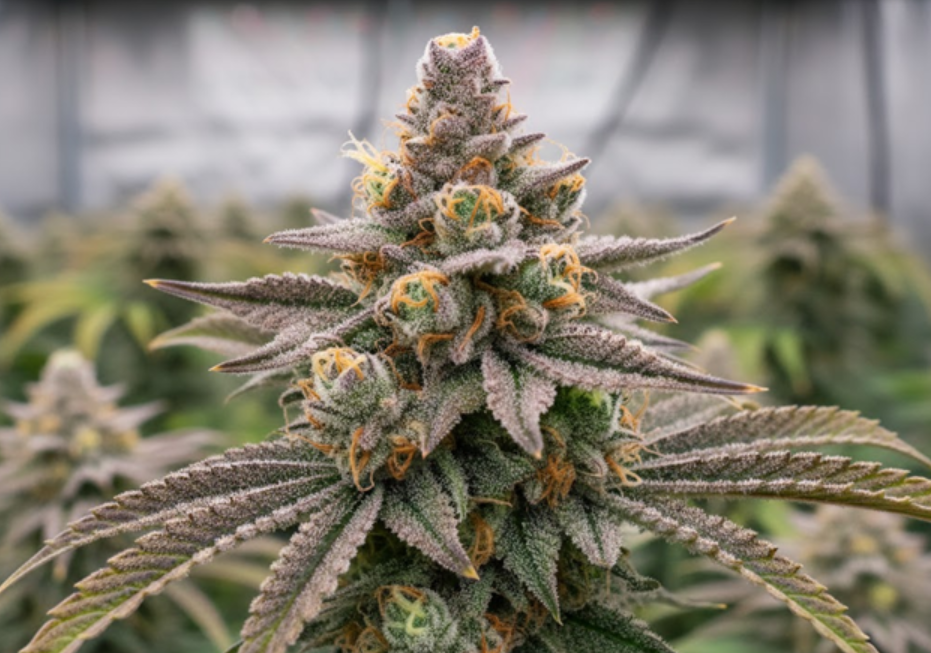
* Trichome Density: A frosty appearance, with visible resin glands, suggests high cannabinoid content.
* Rich Aroma: A strong, complex, and pleasant scent indicates a robust terpene profile.
* Bud Structure: Densely packed, well-trimmed buds with vibrant colors are signs of quality.
3. Reputable Vendors
In a market teeming with options, choose vendors with a strong track record of transparency, quality products, and excellent customer service. Online reviews and industry reputation are good starting points.
Conclusion
High THCA flower remains a cornerstone of the legal cannabinoid market in 2026, offering unparalleled potency, a rich full-spectrum experience, and federal compliance. By understanding the cultivation practices that lead to superior product and by meticulously vetting lab results, consumers can confidently navigate the market and enjoy the benefits of this exceptional botanical. …